Made with high quality stainless steel and durable materials
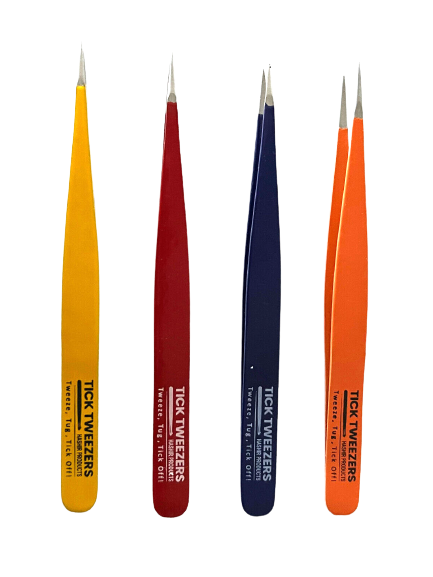
Precision tip designed and crafted for gentle and effective tick removal
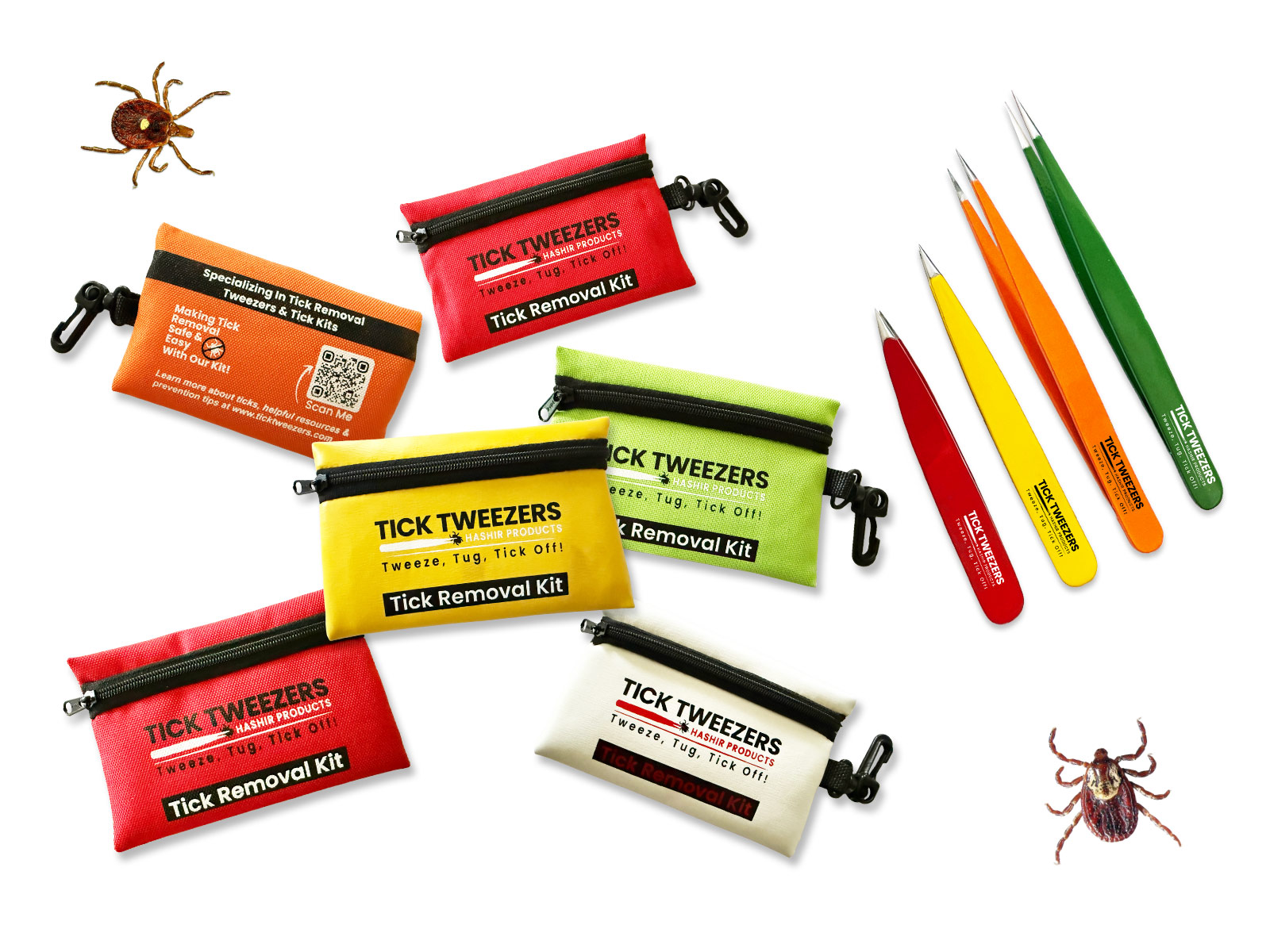
Customize tick tweezers & tick kits with various color options / add any wording, text, logo and/or QR code on the front or back side to creating customizable options to suit your needs and preferences
Our tick tweezers are precision-crafted for effortless tick removal, ensuring complete tick extraction while minimizing the risk of infection and leaving no mouthparts behind.
Effective Tick Removal
Our tick tweezers are precision-crafted to ensure effective tick removal. The tip of the tweezers is designed to grip the tick firmly, allowing you to safely remove it without leaving any parts of the tick behind or causing harm to your skin.
The precision tip reduces the risk of infection by ensuring that the tick is removed gently without being squeezed.
Long-Lasting Performance
Our tick tweezers are made with high-quality stainless steel & materials that ensure their durability and effectiveness. The materials used in our tweezers are rust-resistant and easy to clean, ensuring that they will last for many uses.
You can trust that you are purchasing a tool that is built to last and will provide you with reliable performance every time you need to remove a tick.
Our tick tweezers are specially designed to help you remove ticks safely and effectively. Here are some of the amazing features that make them a must-have tool for any outdoor adventurer:
Precision tip for easy removal
The precision tip of the tweezers allows you to grasp the tick firmly and remove it from the skin without squeezing it, reducing the risk of infection.
High-quality materials
Our tick tweezers are made with high-quality stainless steel that ensure their durability and effectiveness. They are rust-resistant and easy to clean, ensuring long-lasting performance.
CDC compliant
Our tick tweezers are CDC compliant, meaning they meet the standards set by the Centers for Disease Control and Prevention for safe tick removal.